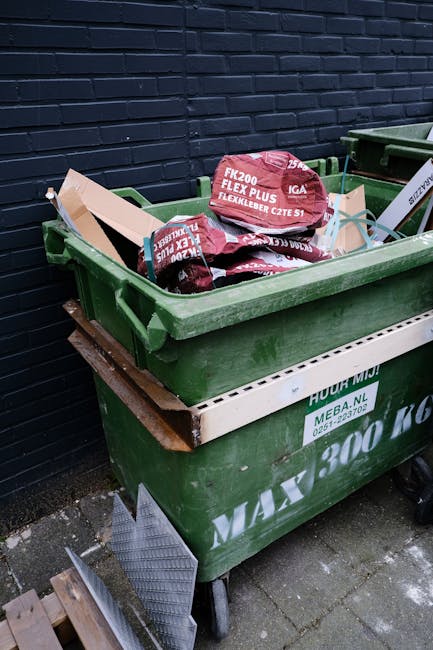
Tooting Broadway rubbish collection guide for homeowners
If you are trying to clear a front room, empty a shed, or simply get rid of a week's worth of bulky waste, the process can feel more complicated than it should. That is especially true in Tooting Broadway, where busy streets, tight parking, shared entrances, and everyday family life all shape how rubbish collection needs to work. This Tooting Broadway rubbish collection guide for homeowners is here to make the whole thing simpler, calmer, and more practical.
In plain English: what can be taken, what needs sorting, what to do before collection day, and how to avoid the classic mistakes that cost time and money. We will also cover the local decision points homeowners often face, from mixed household waste to furniture removal, garden debris, and post-renovation clearances. No fluff. Just the kind of advice that makes a real difference when your hallway is full, the bins are already overflowing, and you need the job done properly.
To help you decide the best route, we will also touch on related services such as general waste removal, house clearance, and furniture disposal where those options fit better than a standard bin day.
Table of Contents
- Why this guide matters in Tooting Broadway
- How rubbish collection works for homeowners
- Key benefits and practical advantages
- Who this is for and when it makes sense
- Step-by-step guidance
- Expert tips for better results
- Common mistakes to avoid
- Tools, resources and recommendations
- Law, compliance, standards, or best practice
- Options, methods, or comparison table
- Case study or real-world example
- Practical checklist
- Conclusion
- Frequently asked questions
Why Tooting Broadway rubbish collection guide for homeowners Matters
Rubbish collection sounds straightforward until you are standing beside four bags of mixed waste, a broken wardrobe, and a hedge trimmer that somehow still smells of damp grass. Then reality kicks in. In a place like Tooting Broadway, where homes range from compact flats to larger terraced properties, the layout of your property can make rubbish handling awkward fast. Shared stairwells, narrow side access, and limited kerb space all change what is practical.
A good rubbish collection guide matters because it helps you match the waste to the right solution. Not every job belongs in the same bucket. General household rubbish is one thing. A garage full of old tools, paint tins, and cardboard is another. Garden waste, broken furniture, DIY rubble, and loft clutter each raise different questions about sorting, access, lifting, disposal, and recycling.
It also matters because waste left too long becomes a nuisance. You notice the smell first, then the clutter, then the stress. It can block access, attract pests, and make a home feel less usable. To be fair, most homeowners do not need a grand system. They just need a clear process and a sensible plan.
Expert takeaway: The best rubbish collection plan is not the cheapest on paper; it is the one that clears the right waste safely, legally, and without turning your week upside down.
In practice, many homeowners also want a service that can deal with awkward items in one go. That is where services like furniture clearance or garage clearance can be more useful than trying to break the job into several smaller trips.
How Tooting Broadway rubbish collection guide for homeowners Works
Rubbish collection for homeowners usually follows a simple pattern: identify the waste, separate it, decide how it should be removed, and prepare it for safe collection. The practical part is in the details. A small bag of kitchen waste is very different from a stack of damp boards or a sofa that will not fit through the hallway without some manoeuvring.
For many households, the process starts with a quick sort. You group items into recyclable materials, general waste, reusable belongings, bulky items, and anything that may need extra care. Once that is done, you can decide whether the job is suitable for a normal household collection, a bulky waste pickup, a dedicated waste removal visit, or a fuller property clearance.
Homeowners in Tooting Broadway also tend to think about logistics. Where will the waste be placed on the day? Is there room at the front of the property? Do you need to protect floors and walls while carrying heavy items out? Are neighbours affected by access or noise? Those questions sound small, but they matter more than people expect.
Many services can also help with specific categories. For example, if your clutter has built up over time in the loft or attic, a loft clearance may be a better fit than a general collection. If the problem started after home improvements, then builders waste clearance is often the cleaner, safer route.
One thing to remember: rubbish collection is not just about removal. It is about handling the waste responsibly from the start. That includes sorting, loading, transport, recycling, and disposal. Get one of those wrong and the whole thing becomes harder than it needed to be. Honestly, it can snowball quickly.
Key Benefits and Practical Advantages
A well-planned rubbish collection gives you more than an empty room. It gives you space to think, space to move, and, if we are being honest, a bit of relief. Homeowners often underestimate how much mental weight clutter carries until it is gone. The improvement is immediate. You walk in, look around, and suddenly the room feels bigger. Quieter somehow.
- Less stress: You are not living around piles, bags, or awkward items waiting to be dealt with.
- Better safety: Clear floors reduce trip hazards, especially in narrow hallways and stairs.
- More usable space: Spare rooms, garages, and lofts become functional again.
- More efficient recycling: Sorting waste properly helps more items be recovered or reused.
- Faster project completion: Whether you are moving house or redecorating, clearance keeps things moving.
There is also the practical advantage of avoiding repeated trips. A lot of homeowners begin with good intentions: one car boot full, then another, then another. By the end, they have spent a Saturday afternoon doing laps and still have half the job left. A better collection plan can save that energy for something nicer, like a coffee on Tooting Broadway after the mess is gone.
If you are unsure whether an item can be reused, repaired, or broken down for disposal, the service category matters. A single sofa may fit under furniture disposal, while a larger end-of-tenancy clear-out may be better handled through home clearance.
Who This Is For and When It Makes Sense
This guide is for homeowners who need a practical way to deal with rubbish without guessing their way through it. That includes people clearing a property before sale, families making room after a renovation, landlords preparing a home between occupiers, and anyone dealing with the slow build-up of household clutter that somehow appears on its own. Funny how that happens.
It makes sense when:
- your bins are not enough for the amount of waste you have
- you have bulky items that cannot be left out normally
- you want a single collection rather than multiple trips
- you need to clear a room quickly and safely
- you want the waste handled with recycling in mind
- you have mixed rubbish and do not want to sort it all yourself
It is especially useful if the waste includes large furniture, old appliances, loft clutter, or awkward garden material. That mix is common in real homes. A bit of cardboard here, some broken shelving there, maybe a damaged chair nobody wanted to talk about for six months. Before you know it, the pile is larger than the room.
For a partial or room-by-room approach, you might also look at flat clearance if you live in a smaller property, or garden clearance if the mess has spread outside as well.
Step-by-Step Guidance
Let's keep this simple. If you want a smooth rubbish collection in Tooting Broadway, do the following:
- Walk through the property first. Check every room, cupboard, loft, shed, and outdoor corner. Waste hides in plain sight.
- Separate the waste by type. Group recyclables, general rubbish, bulky items, garden waste, and anything potentially hazardous.
- Remove obvious valuables or personal items. It sounds obvious, but people do miss things. Keys, documents, chargers, photos. Best to double-check.
- Measure access points. Doors, stair widths, tight turns, low ceilings, and shared entrances can all affect loading.
- Choose the right collection method. A small tidy-up may need a simple waste removal visit, while a full home clear-out may need a broader service.
- Prepare the items for easy loading. Bag loose waste, flatten cardboard, and keep items in one agreed location where possible.
- Confirm what will and will not be taken. If there are special items, ask about them in advance. It saves frustration on the day.
- Make the route clear. Move small obstacles, protect any delicate flooring if needed, and make sure collection access is realistic.
- Check the area after collection. It is worth doing a final sweep for missed items, bits of packaging, or small debris.
If your job is more than a tidy-up, try to think in stages. First remove the obvious waste. Then deal with furniture. Then the hidden clutter. That approach is calmer, and it works. Most of the time, anyway.
For homeowners with mixed household items, a combination of furniture clearance and waste removal can be more efficient than treating everything as one lump of rubbish.
Expert Tips for Better Results
In our experience, the difference between a smooth clearance and a messy one is usually in the prep. Not glamorous, but true.
- Sort before the team arrives. Even a rough sort can speed things up and reduce mistakes.
- Keep pathways clear. A tidy route saves time and reduces the risk of scuffs or knocks.
- Label anything unusual. If one pile is reusable, another is garden waste, and a third is for disposal, make that clear.
- Deal with damp or heavy items early. Wet cardboard, old carpet, and waterlogged garden bags can be deceptively awkward.
- Ask about recycling handling. A responsible service should be able to explain how common materials are separated.
- Plan around parking and busy times. Tooting Broadway can be lively, and timing matters more than people think.
One small but useful habit: take a quick photo of the main waste piles before anything is moved. If there is later confusion about what was included, you have a record. Not exciting, but handy. Also, it stops that vague "was the old chest of drawers definitely in there?" debate.
If you are clearing a garage, loft, or a particularly full back room, it can help to work from the back towards the exit. That way, you do not keep rehandling the same pile. It sounds basic. It is basic. Yet it saves energy every single time.
Common Mistakes to Avoid
The biggest mistake is assuming all rubbish is the same. It is not. Putting everything into one pile makes the job seem faster in the moment, but it often causes delays later. Sorting is not busywork; it is what keeps the process safe and manageable.
Other common mistakes include:
- Leaving the sort until collection day and then running around trying to separate items at the last minute.
- Ignoring access issues like stairs, tight gates, low branches, or parked cars.
- Forgetting hazardous items such as paints, chemicals, or sharp materials that need special handling.
- Overfilling bags so they split on the way out. Nobody enjoys that.
- Not checking what the service accepts before the day, which can lead to awkward surprises.
- Underestimating the volume of waste. A small room can produce a very non-small pile.
Truth be told, the most expensive mistake is often time. You spend more of it than you planned, then you still need help at the end. Better to pause, assess, and use the right type of collection from the beginning.
If your project involves a few different types of items, it may be sensible to combine services carefully rather than improvising. For example, outdoor waste may fit under garden clearance, while renovation debris is more suitable for builders waste clearance.
Tools, Resources and Recommendations
You do not need specialist equipment for every job, but a few simple tools make things easier. Think sturdy bin bags, gloves, tape, marker pens, a torch for dark corners, and maybe a basic dustpan and brush for the final sweep. A trolley or sack truck can be useful if you are moving heavier items across a long path or down a shared stairwell.
Useful things to have ready:
- heavy-duty bags for mixed waste
- reusable boxes for sorting salvageable items
- gloves for lifting and rough edges
- packing tape for flattening or securing loose materials
- a measuring tape for doors and access points
- a notebook or phone notes for item lists
There are also a few website pages worth keeping in mind when you are planning the job. If you want a clearer sense of service scope, about us gives you background on the company approach, while pricing and quotes can help you understand how a job may be assessed. For environmental handling, recycling and sustainability is a useful page to review before booking.
You may also want to check payment and security if you prefer to know how transactions are handled, and insurance and safety if peace of mind matters on a busy property. It usually does, especially when someone is carrying a wardrobe down the stairs.
Law, Compliance, Standards, or Best Practice
Waste handling in the UK is not something to shrug off. Homeowners do not need to become legal experts, but they should follow sensible best practice. That means making sure waste goes to a legitimate disposal route, keeping hazardous items separate where needed, and choosing a provider that works safely and responsibly.
In general, a homeowner should pay attention to a few practical principles:
- Duty of care: You should be comfortable that your waste is being handled properly and not simply dumped somewhere careless.
- Separation of problem items: Certain materials need special care, and mixing them into general rubbish is not a good idea.
- Safe lifting and access: Heavy lifting, awkward angles, and blocked routes create avoidable risks.
- Clear communication: The more accurate you are about the waste, the smoother the collection tends to be.
This is where a professional approach matters. A reliable service should be transparent about how it operates and careful with property access. That is why pages such as health and safety policy, insurance and safety, and terms and conditions are worth checking before you book. They help set expectations in a normal, non-dramatic way, which is exactly what you want.
If you are dealing with mixed domestic waste or items from a household move, a broader house clearance may be more appropriate than trying to force everything into a one-size-fits-all rubbish collection. Best practice is often just matching the job to the right service. Simple, but effective.
Options, Methods, or Comparison Table
Choosing the right rubbish collection method is mostly about volume, item type, access, and how quickly you need the space cleared. Some homeowners need a quick uplift. Others need a full property reset. Here is a practical comparison.
| Method | Best for | Pros | Watch-outs |
|---|---|---|---|
| Regular bin collection | Small day-to-day household waste | Simple, familiar, low effort | Not suitable for bulky or excess waste |
| Bulky item removal | Sofas, beds, wardrobes, large single items | Good for awkward pieces | May not suit mixed or large-volume waste |
| General waste removal | Mixed domestic rubbish | Flexible and convenient | Sorting still helps with recycling and cost |
| Room or property clearance | Lofts, garages, whole homes, cluttered rooms | Best for bigger jobs and messy spaces | Requires more planning and access prep |
| Garden or builders clearance | Outdoor waste or renovation debris | Specialist handling for specific waste types | Not the right choice for general household clutter |
The table is a good reminder that the "best" option depends on the job. A single broken armchair does not need the same solution as a whole loft full of old boxes, toys, and paint tins from 2009. That would be... overkill.
If your waste is mostly from the front or back garden, a dedicated garden clearance will usually make more sense. If the clutter is spread throughout the property, then home clearance may be the cleaner fit.
Case Study or Real-World Example
Here is a realistic homeowner scenario. A couple in Tooting Broadway decide to clear their spare room before a new baby arrives. At first glance, the room looks like "just a few boxes." Then they open the wardrobe. Then they look behind the door. Then they check the loft hatch. You can probably guess what happens next.
By the end of the sort, they have old bedding, broken shelving, children's toys no one remembers buying, flat-pack packaging, and an old armchair that has been living there longer than they have. The smart move is not to pile everything into the hallway and hope for the best. Instead, they separate the easy recyclables, remove personal items, decide which pieces can be donated or reused, and arrange the rest for collection.
The result is a room they can actually use. The collection is quicker because the waste is already grouped. The lifting is safer because the route is clear. And the whole job feels manageable rather than overwhelming. Small difference, big impact.
A similar pattern often happens in garages. One old freezer, a couple of paint cans, some garden tools, and a lot of random stuff that migrated there over time. In those situations, garage clearance can save a lot of awkward sorting and several trips to the tip.
Practical Checklist
Use this before collection day. It keeps things sane.
- Walk through every room and storage space
- Separate general waste, recycling, bulky items, and special items
- Remove valuables, paperwork, keys, and personal documents
- Check doors, stairs, gates, lifts, and parking access
- Measure large items if they need to pass through narrow gaps
- Flatten cardboard and bag loose waste where possible
- Keep the collection route clear and safe
- Confirm any difficult items in advance
- Make sure the team knows where to start
- Do a final sweep after the collection
If you tick most of those off, you are already ahead of the game. Seriously.
And if the job feels larger than expected, that is not a failure. It just means the waste has been doing what waste does best: quietly multiplying while nobody was looking.
Conclusion
A good Tooting Broadway rubbish collection plan is not complicated, but it does reward a bit of thought. Sort the waste, match it to the right method, prepare the route, and use a service that handles the job safely and responsibly. That approach saves time, protects your home, and makes the whole process feel far less stressful.
Whether you are clearing one awkward room or dealing with a bigger household project, the aim is the same: get the space back without creating extra hassle. And once the waste is gone, the difference is immediate. The room breathes again. You do too.
Get a free quote today and see how much you can save.
If you are ready to take the next step, review the relevant service pages, compare your options, and choose the route that fits your home and timeline best. A bit of planning now can spare you a lot of back-and-forth later.
Frequently Asked Questions
What counts as rubbish collection for a homeowner in Tooting Broadway?
It usually means removing general household waste, bulky items, mixed rubbish, and other unwanted materials from a home. Depending on the job, it may be a simple uplift or a fuller clearance involving several rooms.
How do I know whether I need rubbish collection or house clearance?
If you have a small amount of waste or a few bulky items, rubbish collection may be enough. If the clutter is spread across multiple rooms, lofts, garages, or storage areas, house clearance is often the better fit.
Can rubbish collection include furniture?
Yes, but large items are often better handled through furniture clearance or furniture disposal. That helps make sure the right handling and loading method is used.
What should I do before a collection appointment?
Sort the waste, remove personal items, clear access routes, and group items in a sensible place. A few minutes of prep can save a surprising amount of time on the day.
Is it worth separating recycling from general rubbish first?
Yes, where practical. It can make disposal more efficient and may improve recycling outcomes. Even a rough sort helps, especially with cardboard, metal, wood, and reusable items.
What if I have waste from a garden project?
Garden debris is usually best handled through garden clearance. That is especially useful for soil, branches, cuttings, and mixed outdoor waste that does not belong in everyday household rubbish.
Can I combine different types of waste in one collection?
Often yes, but it depends on the service and the materials involved. Mixed waste, furniture, garden waste, and DIY debris may all be possible, but it is better to describe everything clearly before booking.
How do I prepare for rubbish collection in a flat or smaller home?
Focus on access and stacking. In smaller homes, pathways and stairwells matter even more, so a service like flat clearance can be useful when space is tight.
What should I ask about safety before booking?
Ask how items are moved, whether the team is insured, and how they handle tricky access points. The pages on insurance and safety and health and safety policy are useful for understanding the approach.
How can I keep costs under control?
The main thing is clarity. Know what needs removing, sort what you can, and be accurate about the volume. The more precisely you describe the job, the easier it is to get a sensible quote.
What happens if I need help with a bigger home project?
If the job has outgrown a simple rubbish pickup, consider a broader home clearance or related specialist service. Bigger jobs usually go more smoothly when the plan is matched to the scale of the mess.
Is there a best time to arrange collection in Tooting Broadway?
Yes, usually when access is easiest and your day is not already packed. Mid-morning can work well for some properties, but the best timing depends on parking, neighbours, and how much sorting you still need to do.
How do I choose a trustworthy company?
Look for clear service information, transparent terms, sensible safety guidance, and an obvious commitment to responsible disposal. Pages like about us, terms and conditions, and recycling and sustainability can help you judge whether the service feels professional and well organised.