Health and Safety Policy — Tooting House Clearance
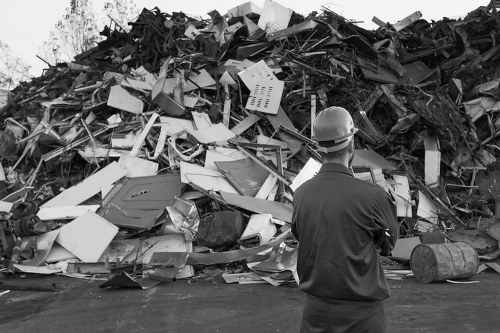 This Health and Safety Policy sets out the commitment of Tooting House Clearance and associated rubbish removal teams to providing a safe working environment for staff, clients and the public. The policy covers all operations related to house clearance, waste clearance, rubbish collection and associated site work in our service area. It is designed to be clear, practical and compliant with prevailing statutory duties while remaining accessible to operatives and management.
Scope and Objectives
Our objectives are to prevent accidents, reduce health risks and ensure the safe handling and disposal of materials during any house clearance activity. The scope includes domestic and commercial premises where house clearance Tooting services are provided, removal of bulky items, sorting of recyclables, and transfer to licensed disposal sites. Everyone has a role to play, from senior managers to agency staff and contractors. Key responsibilities include:
- Management — establish policy, provide resources and monitor performance;
- Supervisors — ensure safe systems of work, provide instruction and record incidents;
- Operatives — follow safe methods, use provided equipment and report hazards;
- Visitors and clients — cooperate with site rules and report unsafe conditions.
Risk Assessment and Control
All tasks undertaken by our rubbish removal teams are subject to formal risk assessment prior to work commencing. Assessments identify physical hazards (manual handling, slips and trips, sharps), biological risks (mould, contaminated waste) and chemical hazards (cleaning agents, asbestos suspicion). Control measures follow the hierarchy of controls: elimination, substitution, engineering, administrative controls and personal protective equipment (PPE).To reduce manual handling injuries, we employ mechanical aids where possible and require team lifting techniques for bulky items. Training in safe lifting is provided at induction and refreshed periodically. Vehicles used for waste clearance are maintained to the same standard as our on-site equipment, and drivers are briefed on safe loading and securing of loads for transit to licensed waste transfer facilities.
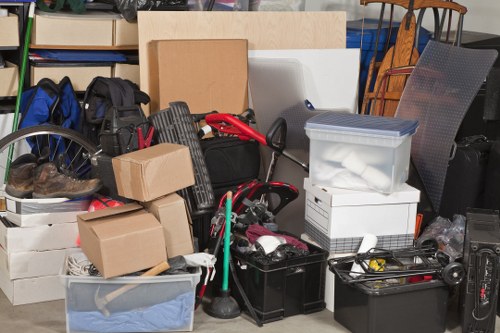 Personal protective equipment (PPE) issued includes gloves, high-visibility clothing, protective footwear and respiratory protection when risk assessment indicates. PPE is maintained and replaced as necessary; use is mandatory where specified. Employees are encouraged to report any PPE defects immediately.
Training, Competence and Welfare — Staff competence is vital for effective risk control. We maintain records of training, qualifications and toolbox talks. Induction covers the company safety policy, emergency procedures and reporting protocols. Ongoing training reflects changes in legislation, equipment or work practices and includes first aid awareness and safe handling of hazardous materials.
 Incident reporting and investigation are part of our continuous improvement process. All incidents, near-misses and dangerous occurrences must be reported promptly to management. Investigations focus on root causes and corrective actions rather than blame, and outcomes are communicated to the team to prevent recurrence.
 Emergency arrangements include site-specific plans for evacuation, first aid provision and access for emergency services. Where a potential asbestos-containing material is suspected during a clearance, work is stopped and an accredited surveyor is engaged before any further handling.
Contractor and subcontractor management requires that all third parties engaged for waste handling or specialist disposal hold appropriate licences and insurances. Pre-engagement checks and periodic audits ensure compliance with our safety standards. We require evidence of competence for any subcontractor performing confined space entry, removal of hazardous waste or operation of heavy equipment.
Environmental considerations are integrated with health and safety obligations. Waste segregation at source, recycling where possible and safe packaging of hazardous materials reduce environmental harm and occupational exposure. Vehicles and equipment are serviced regularly to prevent leaks or emissions that could affect personnel health.
The policy is reviewed at least annually and updated as needed following significant incidents, legislative changes or operational shifts. Management endorses this policy and allocates necessary resources to implement and monitor its effectiveness. Staff are encouraged to contribute suggestions for improvement through established channels.
Conclusion — This Health and Safety Policy reflects our commitment to providing safe, compliant and professional house clearance and rubbish collection services. By combining clear leadership, competent staff, robust risk control measures and ongoing review, we seek to protect people, property and the environment while delivering reliable waste clearance services across our operational area.
Signed on behalf of the company: Management retains responsibility for ensuring implementation and for making the policy available to employees and enforcement authorities on request.
Policy review date: The document will be reviewed annually or sooner if required by operational change or regulatory update.